
20th
Feb 2026
Indian Constitutional History Workshop (PACT Project)
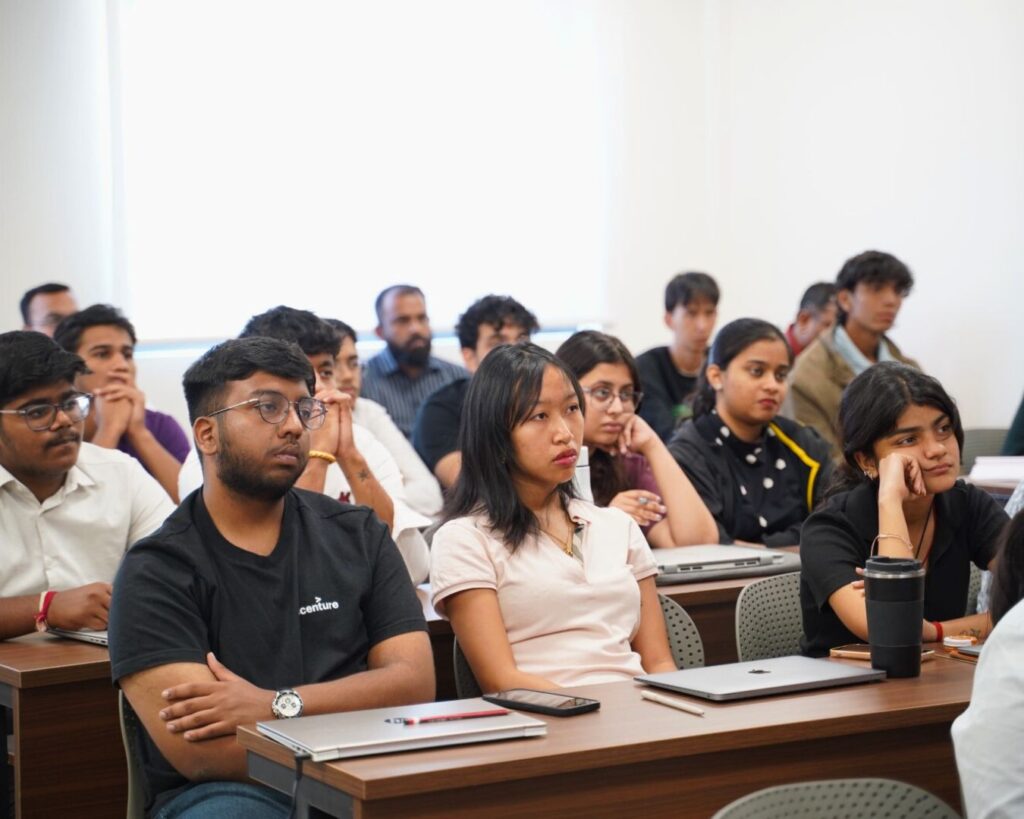
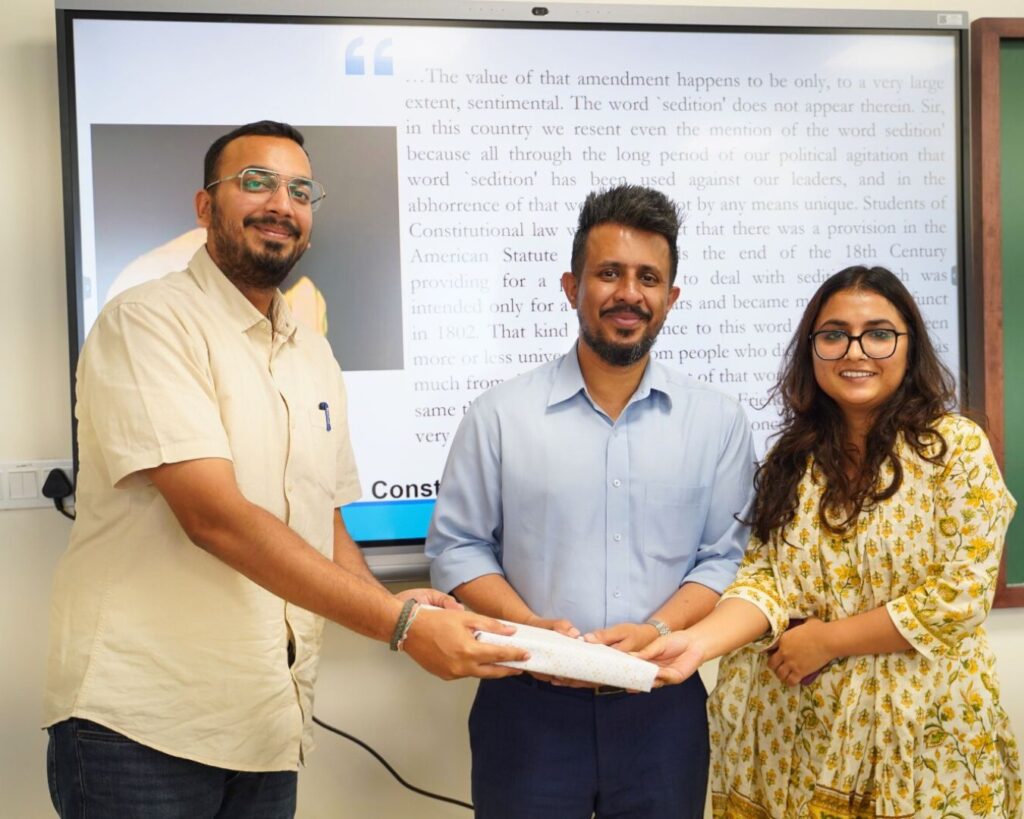
On 20 February 2026, law and liberal arts students at Vidyashilp University participated in a workshop on the Indian Constitution facilitated by CLPR Senior Associate Vineeth Krishna. The workshop was organised under the Pluralism Agreement and the Constitutional Transformation Project, and focused on familiarising students with primary constitutional materials and their relevance to understanding contemporary constitutional issues in India.
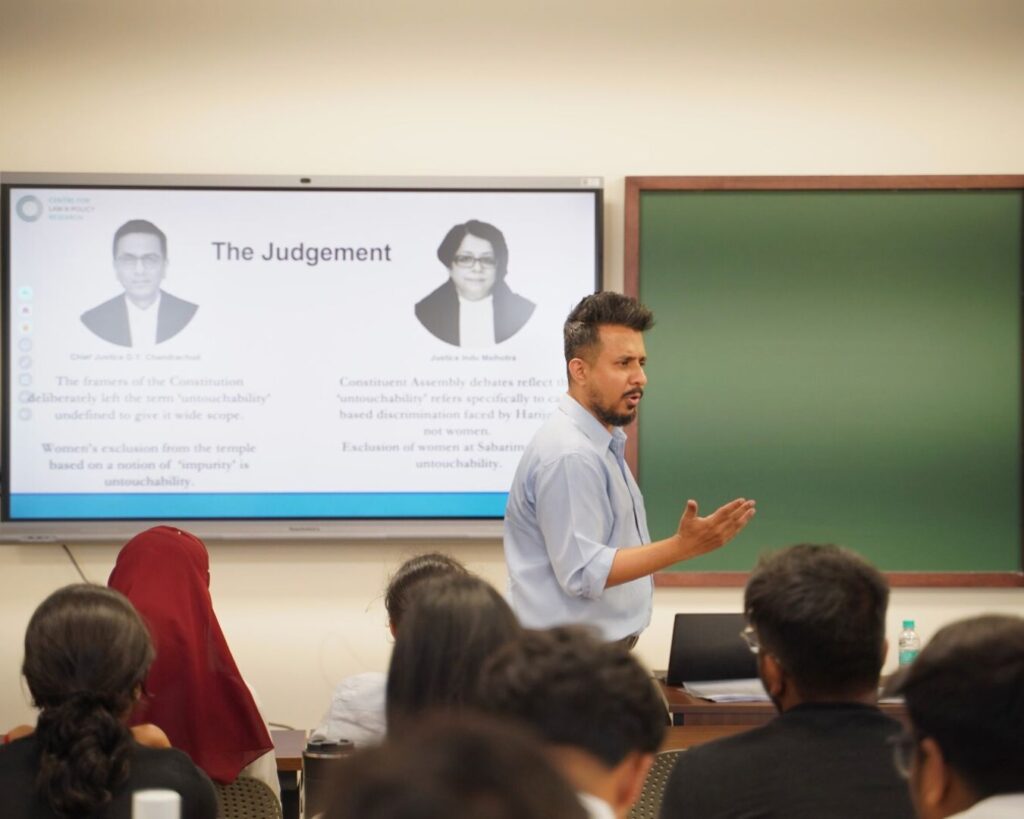
The session introduced students to the Constitution as a governing framework that structures relationships between the Legislature, Executive, and Judiciary; the Centre and the States; and the State and its citizens. Students were then guided through the drafting history of the Constitution, learning about the work of the Constituent Assembly, which comprised around 300 members and met over 166 sittings between 1946 and 1950. To illustrate the depth and rigour of these deliberations, a short clip from the Rajya Sabha documentary series Samvidhan was screened. Students were also shown that the complete Constituent Assembly Debates are publicly accessible through ConstitutionofIndia.net.
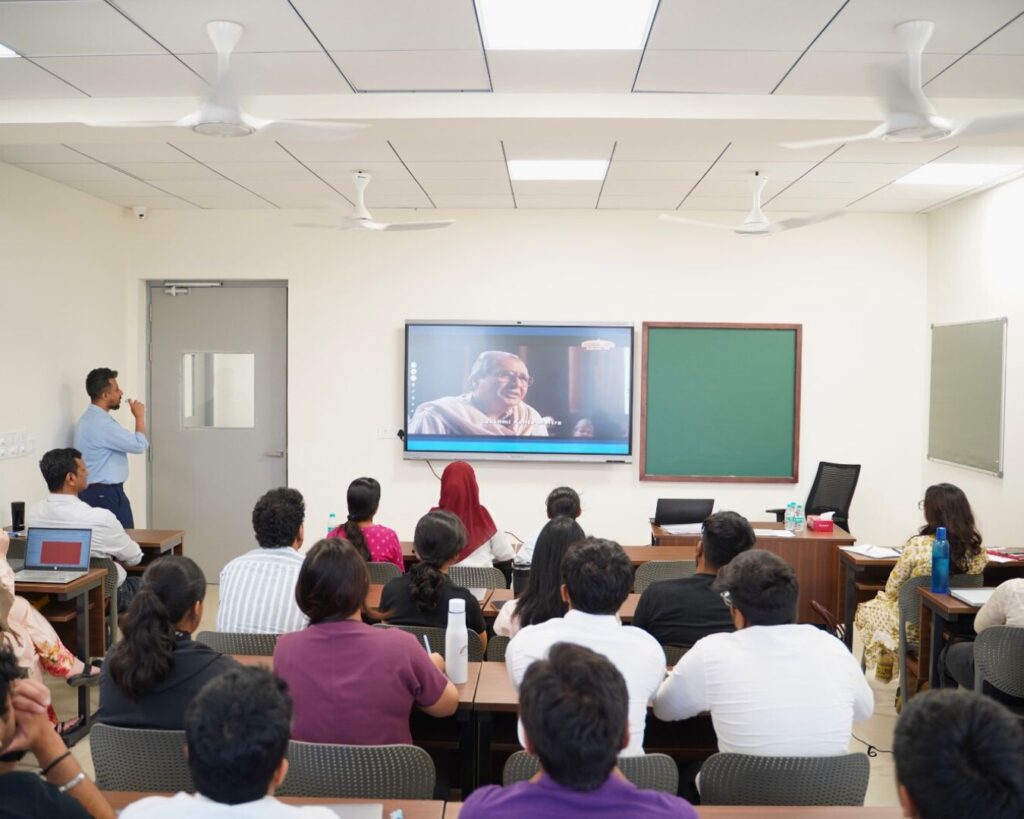
The workshop next examined whether constitutional thinking in India predated the Constituent Assembly. While students initially expressed the view that the Constitution primarily borrowed from foreign models, this assumption was addressed by introducing earlier constitutional texts such as the Constitution of India Bill 1895, the Government of India Act 1919, and the Nehru Report 1928. These documents were discussed to demonstrate that many ideas reflected in the 1950 Constitution emerged from a longer, indigenous tradition of constitutional thought and political debate.
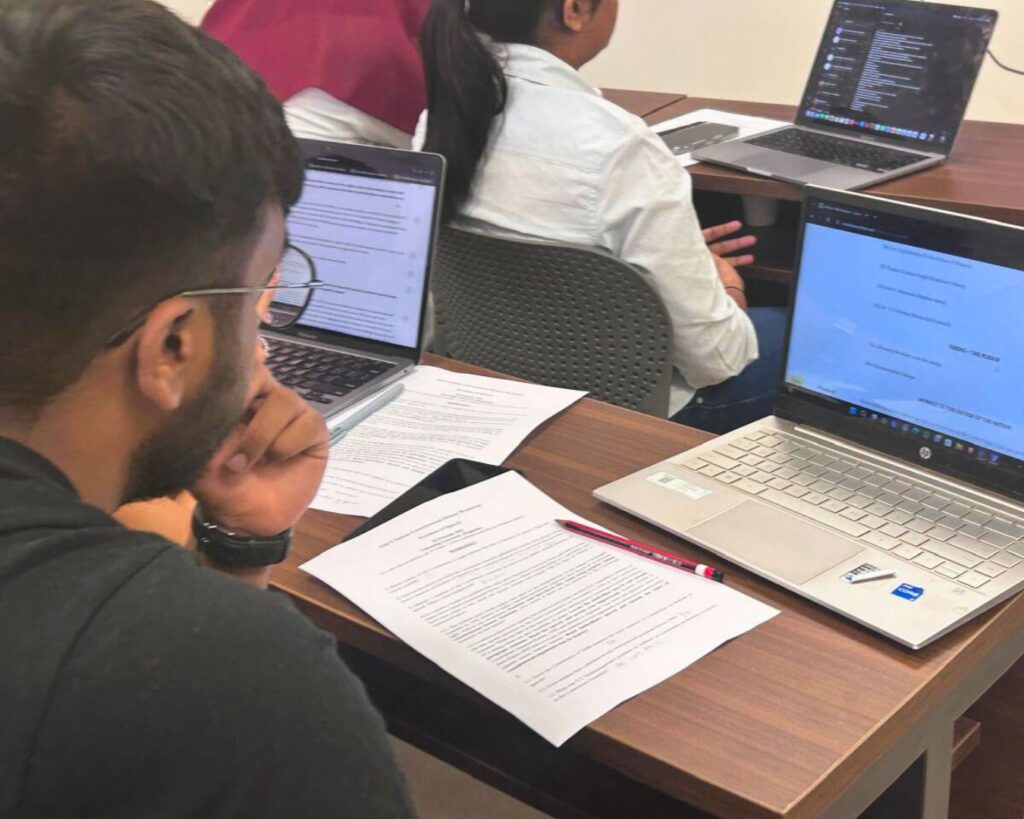
In the final segment, students worked with ConstitutionofIndia.net to complete a worksheet on freedom of speech. This exercise required them to engage directly with primary materials and trace the evolution of free speech provisions in the Constitution. The activity concluded with a group discussion in which students shared their findings and debated key questions faced by the framers, particularly the permissible grounds for restricting freedom of speech.
The workshop concluded by underscoring the importance of engaging with primary constitutional sources as a core skill for students of law and the liberal arts. Emphasis was placed on the role such materials play not only in academic study, but also in sustaining constitutional literacy and democratic engagement in India.
Time 10 am to 1 pm
Venue Vidyashilp University